Sanskrit เคธเคเคธเฅเคเฅเคคเคฎเฅ is the sound nature makes when intending form, function or phenomena.
Sanskrit reflects the vibratory patterns that govern the universe.
It links the human brain and mind to the vibratory field of Cosmic Intelligence.
Two human brains and minds that Sanskrit and Vedic chanting have absorbed into are this episodes guests: Jahnavฤซ and Kamalฤ, two sisters who were raised in the foot hills of the Himalayas, spending their childhood learning from vedic sages and scholars in India.
These young women are strongly influenced by vedic philosophy and culture, they are absolutely living the vedic life, and are sharing it with the world.
Even beginners in Sanskrit can learn various mantras and terminology that will greatly expand our understanding of ourselves, other creatures and the entire universe.
ABOUT OUR GUESTS: KAMALฤ & JAHNAVฤช (SAMADHI COLLECTIVE)
Kamalaย is an art history graduate from the Courtauld Institute of Art (University of London), and holds an MPhil in Sanskrit and Indian philosophy from Oxford University. She has also studied Sanskrit in Karnataka, India and holds a diploma in Hindustani Classical Music. She is fluent in both Hindi and French.
In Samฤdhi Collective, Kamala teaches all the Sanskrit and Indian philosophy sessions, as well as developing and writing our informative posts on topics pertaining to philosophy, yoga and more.
Jahnaviย is an artist, designer and portrait painter, who studied the tradition of Indian miniature painting in Rajasthan. She is also an experienced yoga instructor, trained in Karnataka, and has taught traditional Hatha yoga in both India and Europe, including at Parmarth Niketan Ashram, Rishikesh. Jahnavi also holds a diploma in Hindustani Classical music.
IN THIS EPISODE WE DISCUSS:
Growing Up All Around The World
Being born in England, then moving with their family to the United States, later to Holland & by the time they were 10 & 12 years old they ended up moving to India for 6 years.
Living in India as young kids and how both of them experienced it; & continue to experience it today.
How Samadhi Collective Came To Be
The many shared experiences & the shared understanding of Vedic philosophy & culture allowed them to create this community together.
The idea of creating a platform where Hindu philosophy & wisdom are shared: mantras, Sanskrit, yoga-related content, music, art, and spiritual practices.
Merging Western Education with Traditional Vedic Knowledge
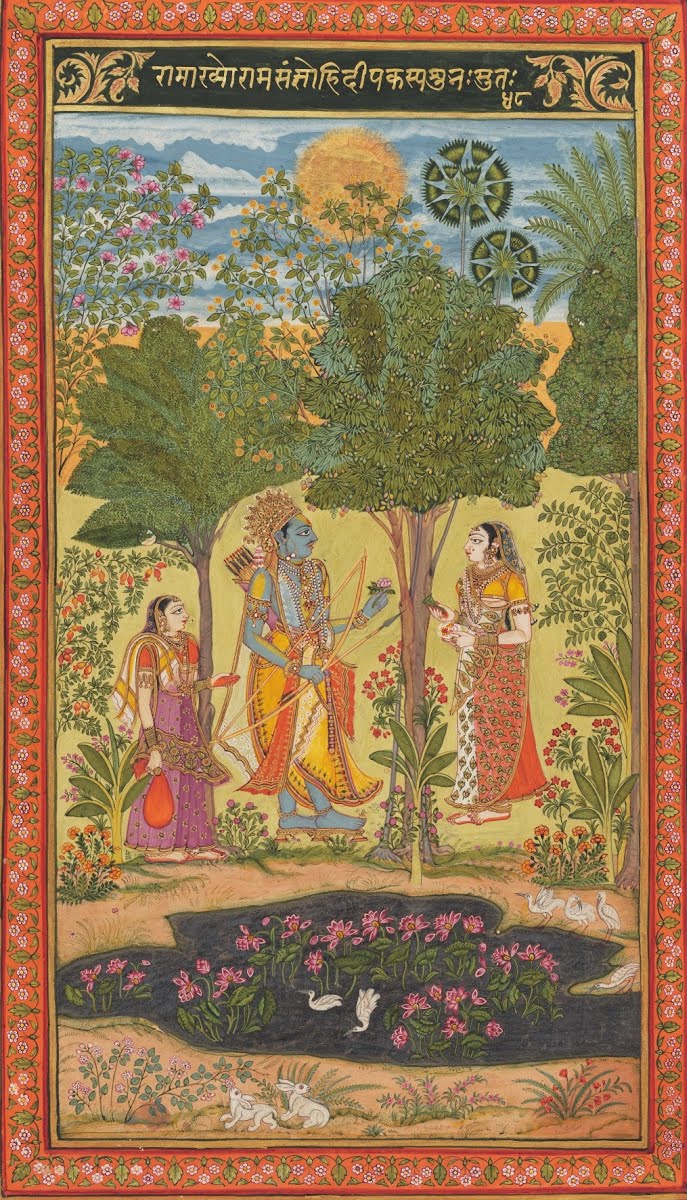
Kamalฤ studied art history at the University of Londonย where she partly focused on traditional Indian art, and also did her thesis on ragamala paintings – paintings that are based on classical Indian musical modes (a.k.a.ย ragas).
-
These paintings have many Sanskrit Devanagari elements which she felt compelled to study in-depth.
She then did her MPhil at Oxford University, where she deepened her knowledge of Sanskrit & Indian Philosophy.
-
All of this studying in England was from a strictly academic perspective, but given that she was also seeking a more traditional approach to these studies, she traveled during her vacations to Karnataka, south India, where she studied in a traditional school with aย pundit.
Learning Sanskrit
Kamalฤ advises those who seek to learn Sanskrit to โnot tryโ, instead let go of that idea of โtryingโ and itโll gently assimilate itself into your mind.

-
The traditional way in which the grammatical paradigms are learned in Sanskrit is by chanting. When doing that, you donโt need to โtry to learnโ Sanskrit, it is simply assimilated.
Pronunciation is key:ย Sanskrit is a spoken language that has a very strong oral tradition.
-
It wasnโt written down until maybe thousands of years after the sounds were first cognized by the ancient seers (rishis).

Sanskrit is the sound, not the script.
-
There are many different regional scripts (ways of writing Sanskrit). The different โSanskrit scriptsโ (Devanagari being the most commonly used) are not really Sanskrit.
-
They are vehicles that convey the sounds of Sanskrit but are not Sanskritย per se.
-
The relationship between most bodies of knowledge that come from the Vedas (Yoga, Ayurveda, Jyotish, etc.) with Sanskrit.
-
Learning Sanskrit allows one to establish a deeper and more profound understanding of these different fields. This is very important both for those who only practice and (especially) those who teach them.
It is important to not only study Sanskrit in Devanagari but also to study IAST (International Alphabet of Sanskrit Transliteration), which allows you to write Sanskrit words in roman script using diacritic.
Vedic Chanting
Chanting mantras inwardly vs. out loud
-
There areย certain lineagesย thatย instruct not to chant mantras out loud, but instead that mantras should be most often chanted inwardly.ย Kirtanย and other group ceremonies being an exception to that rule.
-
Theย Guru Dikshaย Mantra should not be chanted out loud, & the same goes for theย Gayatri Mantra.
There are certain otherย mantrasย that should only be recited byย pundits, who have been properly trained from early childhood.
Many other mantras can be chanted by anyone, no matter their background.
Ragasย (arrangements of notes) & when to listen to or sing them.ย
-
Theseย ragasย also serve for specific purposes; they can be used in Ayurveda as tools to enliven certain qualities and energies within our physiology.
Favorite Places in India
Rishikesh
Karnatakaย in south India
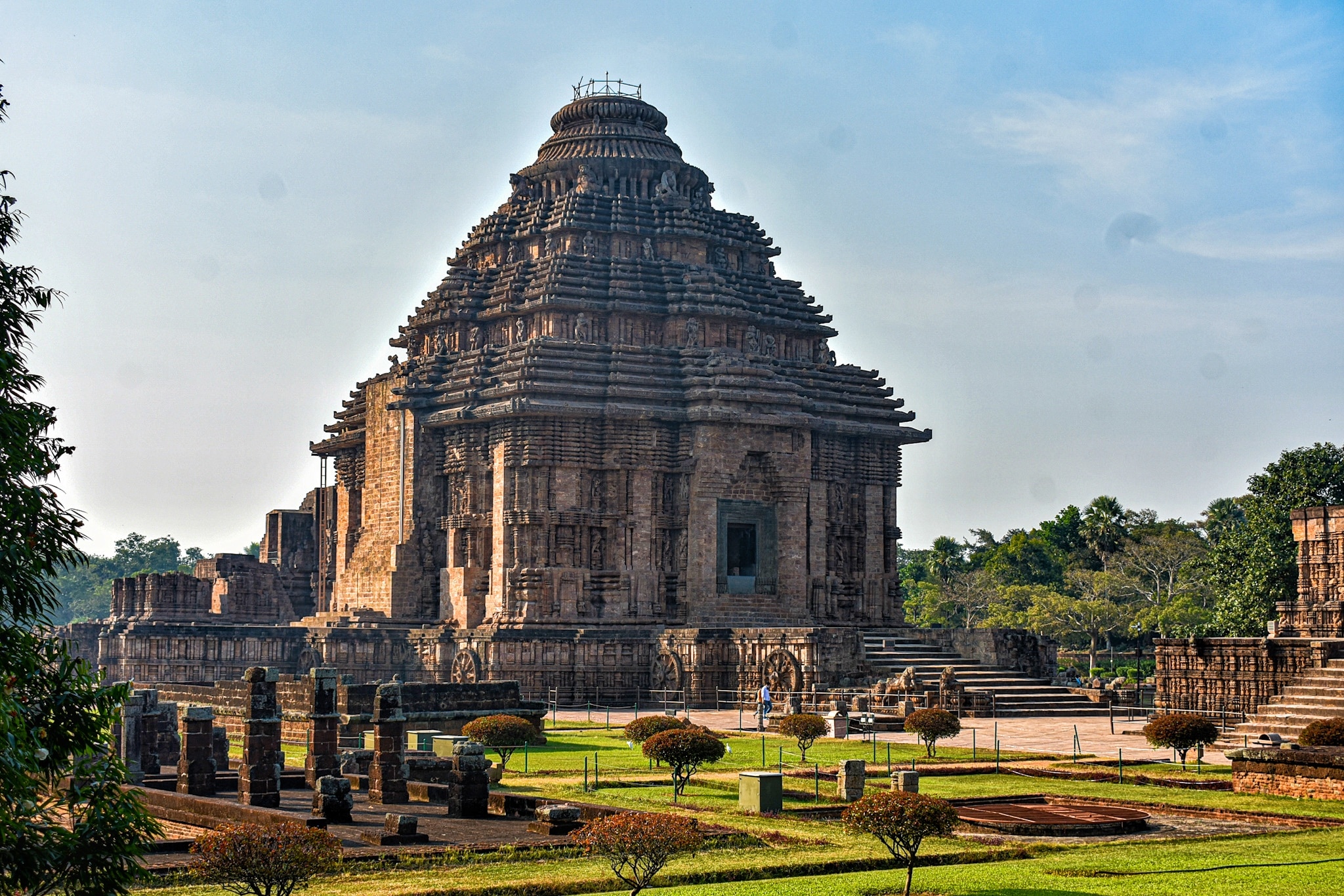
Bhubaneswar, in Odisha, where you can find theย Konark Sun Temple, one of the most prominent Surya temples in India.
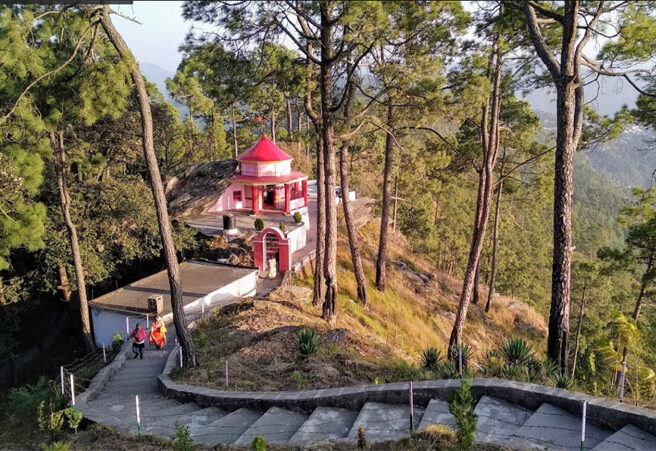
Kasar Devi, near Almora, Uttrakhand.
-
This place is known for a temple dedicated to the goddess Kasar Devi.
-
This Devi temple is of special importance because the region around it hasย an enormous geomagnetic fieldย that even NASA has studied. There are only two other places in the world that have a similar magnetic field:ย Machu Picchu (Peru) & Stonehenge (United Kingdom). The three places are part of the Van Allen Belt.
-
Swami Vivekananda wrote in his diary in 1890 about his powerful meditations in this place.
Jageshwar Dhamย Temple, also near Almora.


Maharishi Pataรฑjali & The Yoga Sutras
They both know the Yoga Sutras of Pataรฑjali by heart & chant them every day.
Sรผtraย in Sanskrit means โto stitch togetherโ, soย when chanting theย Yoga Sutrasย one is stitching his/her own individual self to the cosmic selfย – a way to connect and commune with a wider universal reality.
The story of the birth of Maharishi Pataรฑjali.ย
-
& the meaning behind the name โPataรฑjaliโ.
Theย Yogasana mantraย or Pataรฑjali invocation mantra:ย used at the beginning of certain types of Yoga asana classes.
เคฏเฅเคเฅเคจ เคเคฟเคคเฅเคคเคธเฅเคฏ เคชเคฆเฅเคจ เคตเคพเคเคพเค เคฎเคฒเค เคถเคฐเฅเคฐเคธเฅเคฏ เค เคตเฅเคฆเฅเคฏเคเฅเคจ เฅค
เคฏเฅเคฝเคชเคพเคเคฐเฅเคคเฅเคคเค เคชเฅเคฐเคตเคฐเค เคฎเฅเคจเฅเคจเคพเค เคชเคคเคเฅเคเคฒเคฟเค เคชเฅเคฐเคพเคเฅเคเคฒเคฟเคฐเคพเคจเคคเฅเคฝเคธเฅเคฎเคฟ เฅฅ
yogena cittasya padena vฤcฤแน malaแน ลarฤซrasya ca vaidyakenaย |
yo ‘pฤkarot taแน pravaraแน munฤซnฤแน pataรฑjaliแน prฤรฑjalir ฤnato ‘smiย ||
With palms folded together,
I bow respectfully to Pataรฑjali, the best of sages,
Who dispelled the impurities of the mind with Yoga,
Of speech through Grammar, and of the body by means of Medicine.
The state ofย Samadhiย according to the Yoga Sutras.
-
A state of equilibrium or of pure consciousness, also known as the eighth limb of yoga.
-
The culmination of all these yogic practices that lead to the enlightening of our true innate self.
For a more extensive overview of the Yoga Sutras of Patanjaliย check out our Podcast episode with Eddie Sternย HERE.
RESOURCES
Samadhi Collective Instagram account (@samadhi.collective)ย HERE
Samadhi Collective Websiteย HERE
- They have several offerings that you can see through their website. To book: contact them atย info@samadhicollective.comย or direct message them on Instagram about whichever offering you are interested in.
SUPPORT THE SHOW
Pleaseย leave me a comment belowย (I love to read every single one).
SUBSCRIBE
iTunes, Spotify,ย Sticher,ย Google Play