
“Siddhis”ย are extraordinary human capabilities that yogis have been striving to attain for millennia.
And many have been successful, becauseย Siddhisย are dormant non-local potentials that exist in every Consciousness state.
Aย Siddhaย is one with perfected human capabilities.
One who has sequenced the capabilities of Absolute Totalityย (“Brahman”)ย to become the perfect (most relevant) expression of โDharma”ย (the most evolutionary thing you can be doing in any given moment).
Join Eddie Stern and Ayurvedic practitioner Dylan Smith as they discuss theย Yoga Sutras of Maharishi Pataรฑjali, one of the most well-known yogic texts that described these mystical “siddhis”.
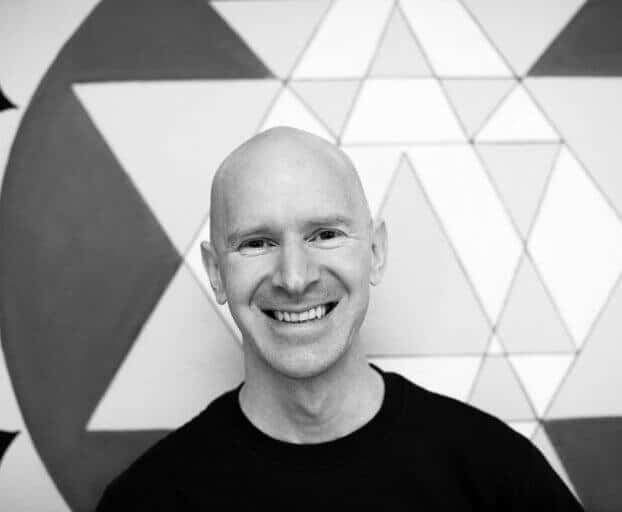
ABOUT OUR GUEST: EDDIE STERN
Eddie Stern is a Yoga teacher, author, and lecturer from New York City.
He has been practicing Yoga since 1987, and ran his school in SoHo from 1993-2019.
In the late 1990โs and early 2000โs the school became a focal point for Ashtanga Yoga in New York with an eclectic mix of downtown artists and spiritual seekers practicing and meditating next to well-known personalities such as Madonna, Gwyneth Paltrow, Mike D, and Lou Reed, in what was also Manhattanโs first consecrated Ganesh Temple.

Eddie has a passion for seeking out diversity in all aspects of his work and uses a multidisciplinary approach of combining technology, scientific research, and collaboration to help further understanding, education, and access to yoga.
He continues to study philosophy, Sanskrit, ritual, science, and religion, as well as maintain a passion for the daily practice Yoga.
Eddie learned Ashtanga yoga underย Sri K. Pattabhi Joisย andย R. Sharath Jois, of Mysore, India.
IN THIS EPISODE WE DISCUSS:
Eddie’s Dinacharya (Daily Routine)
Maharishi Pataรฑjali as a Historical Figure
Very little is known of him as a person.
He is estimated to have lived around 300/400 C.E.
He is credited with two major works:
-
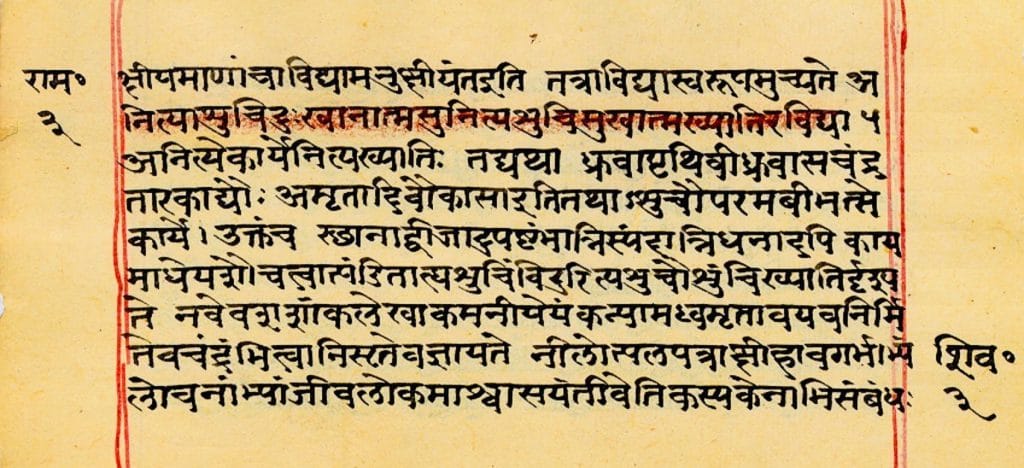
Theย Yoga Sรผtrasย – a text on Yoga theory and practice; one of the most important texts in Indian tradition and the foundation of classical yoga. Here he elaborates on the concept ofย siddhisย and how to master them.
-
Theย Mahฤbhฤแนฃyaย – a text on Sanskrit grammar.
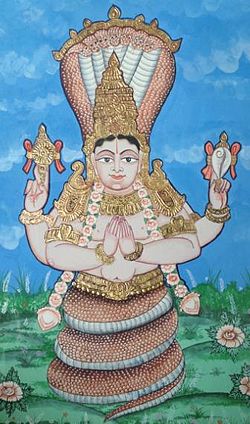
He is believed to be an incarnation ofย Adi Sesha, the celestial snake on which Lord Vishnu reclines in the cosmic ocean. Ayurvedic sage Caraka is also said to be an incarnation of Adisesha.

An Introduction to Pataรฑjaliโs Yoga Sutras
The Yoga Sutras of Pataรฑjali are made of 4 chapters (padas) and 196ย sutras.ย

Sรผtraย (เคธเฅเคคเฅเคฐ)ย in Sanskrit means โstringโ or โthreadโ, or something that is woven or stitched together.
Aย Sรผtra is a collection of few words that have been โstitched togetherโ to convey in a very brief and precise manner a theorem or maxim that is incontrovertible in meaning.
They very often need to be explained and โfleshed outโ by some sort of commentary in order to be fully and properly assimilated.
In the Yoga Sutras, Maharishi Pataรฑjali explores, amongst many other things, the different mechanisms by which a Yogi can conquerย siddhis.
Siddhis: Divine Human Capabilities

Siddhiย (เคธเคฟเคฆเฅเคงเคฟ), means supreme fulfillment & accomplishment.
Siddhis are divine human capabilities that can be enlivened by a Yogi/Yoginiโs advancement through differentย sadhanasย (spiritual exercises).
-
By means of spiritual practice, the Yogi/Yogini eventually achieves a state where supra-normal abilities become at his/her disposal, it is then that they become aย Siddhaย (one with perfected human capabilities).
Samyamaย (เคธเคเคฏเคฎ) meaning to tie together, integrate or bind; is the combined and simultaneous practice ofย Dhฤraแนฤย (intention/concentration),ย Dhyฤnaย (meditation) andย Samฤdhiย (union).
-
By means ofย dhฤraแนฤ,ย one puts intent and focus on one of theย siddhis, by means ofย dhyฤnaย one manifests it into a transcendent state of being, and finally, by achievingย samฤdhiย theย siddhiย is allowed to be integrated and unified with the relative field.
Pataรฑjali Yoga Sutra’s – Overview
First Chapterย –ย Samadhi Pada
The first chapter of the Yoga Sutras explores the different types ofย samadhi, of which there are 8 types listed.
Second Chapter –ย Sadhana Pada
In the second chapter, Pataรฑjali discussesย Kriya Yogaย (เคเฅเคฐเคฟเคฏเคพ เคฏเฅเค).
โKriyaโย loosely translates as โfrictionless actionโ or โaction which does not bindโ.ย Kriya Yogaย is the active aspect ofย Yoga.
-
There areย three componentsย toย Kriyayoga:ย tapasย (asceticism),ย svadhyayaย (recitation) &ย ishvara pranidhanaย (devotion to the lord).
-
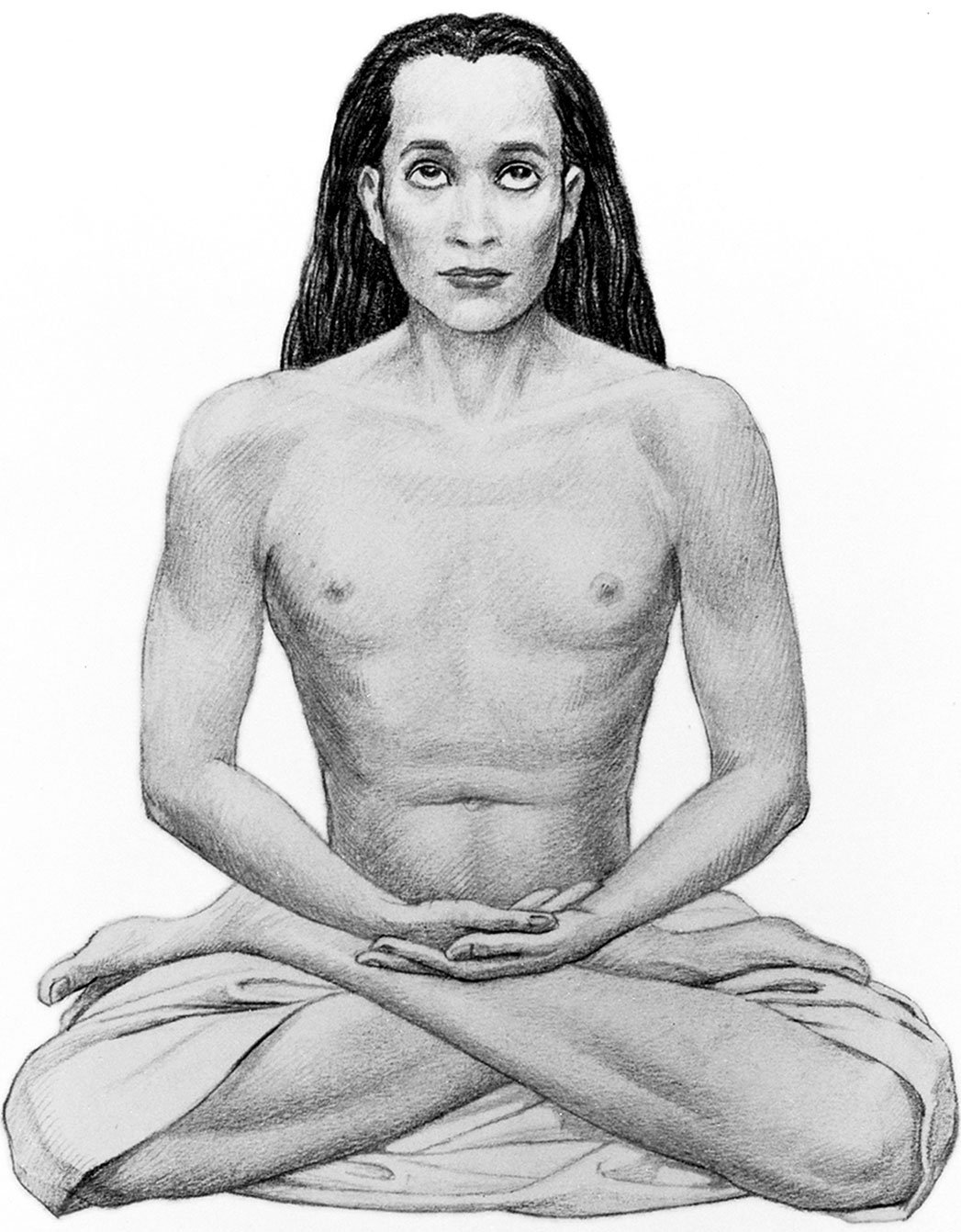
Kriya Yogaย was revived in modern times byย Mahavatar Babajiย (also known as โThe deathless Yogiโ), hisย sishyaย (student) –ย Lahiri Mahasayaย – and eventually brought to international awareness byย Paramahamsa Yoganandaย in his widely renowned book โAutobiography of a Yogiโ.

Theย 5 first limbs ofย ashtanga yogaย are also discussed – theย bahirangaย sadhanaย (the external limbs).
-
Yamaย – the fiveย yamasย are personal virtues one has towards the external (society & all living beings)
-
Niyamaย – the fiveย niyamasย are observances that allow one to transcend the external
-
Asanaย – postures that allow one to be still and comfortable (this is what is commonly known as Yoga in the west)
-
Pranayamaย – regulation of breath orย pranaย (life-force).
-
Pratyaharaย – withdrawal of the senses that allows one to connect with the inner self.
All of these are consideredย sadhanasย or practices that we can do to achieve the highest states of consciousness
Chapter Three –ย Vibhuti Pada
Vibhutiย means โperfectionโ.
Theย last 3 limbs ofย ashtanga yogaย are discussed here – theย antarangaย sadhanaย (the internal limbs).
-
Dharanaย – concentration or awareness that is intentionally directed in one direction in an undisturbed manner – usually mantras are chanted and act as the active focus of that awareness.
-
Just like when one places a cup on a table. It is the table that holds the cup up, the cup doesnโt hold itself. In the same manner the Yogi rests its awareness on the object so that the awareness can rest there, immovable.
-
Dhyanaย – concentration or awareness that is directed towards oneโs inner self; Commonly referred to as โmeditationโ. A mantra is also used, but it will eventually fade away until a state of transcendence is all that is left.
-
Samadhiย – cosmic consciousness is achieved, the idea of the meditator as an entity completely disappears & all that is left in consciousness is the object that is being meditated on (totality).
-
The different levels ofย samadhiย are discussed back in chapter 1.
Samyamaย is the capacity to direct that tripartite process towards different objects of the world, and in doing so you learn something about the nature of those objects.
-
Their inner nature is revealed to you, because the chosen object entirely fills your awareness. You take on the defining characteristic of any object in your field of consciousness and allow it to be the only thing that exists there.
Chapter Four –ย Kaivalya Pada
Kaivalyaย means “solitude” or “detachment” in Sanskrit.
This chapter refers to the isolation ofย purushaย fromย prakแนtiย – consciousness from nature -, and therefore the liberation from rebirth and freedom from suffering (moksha).
โSiddhis can be useful because they can help you to understand nature to its finest characteristics. But in the end, the highest siddhi that you can attain is the ability to discern the distinction between nature and consciousness – between prakriti and purusha. When you have that final discernment you are free from the bondage of nature and the suffering which goes along with it.โ
Prana, Nadis & The Subtle Physiology of Yoga
Nฤแธฤซย (เคจเคพเคกเฅ) in Sanskritย means โchannelโ
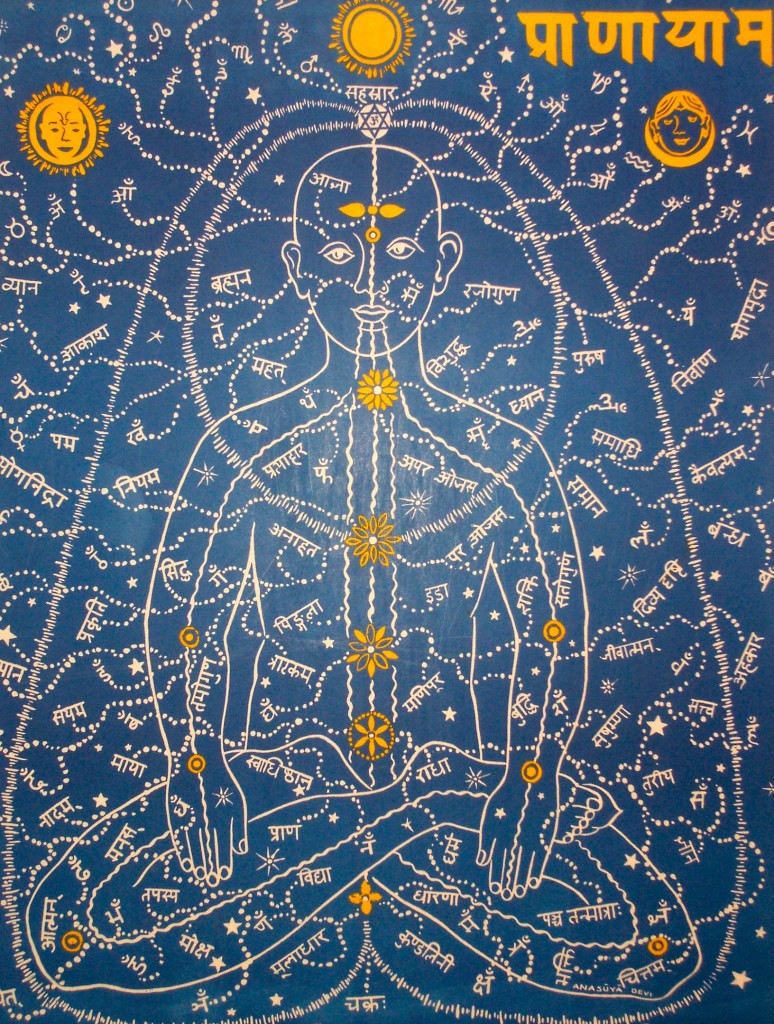
Theย Nฤแธฤซsย are the pathways through whichย pranaย (life-force) flows. These channels converge at special points in the body, theย chakras.ย
โPranaโ etymologically means โthat which causes things to moveโ; and itโs the life force that animates and coordinates everything, not only within the body but on a cosmic level – everything is constantly moving, some things do so in a more subtle way than others.
By becoming aware of theย pranaย that flows within us – and enhancing as well as directing its flow with different yogic practices – one is able to invigorate the body & mind while also opening the door to higher states of consciousness.ย
Inย Pranamayakosha,ย the energy body there are 72.000ย Nฤแธฤซs; yet, these 72.000 mainly spring from three basicย nadis:ย ida,ย pingalaย andย sushumna.
There are two holes on the sides of the spine which are like conduit pipes for all the nerves to pass – these two holes areย idaย andย pingala.
Idaย represents feminine energy whileย Pingalaย represents masculine energy. That is the basic duality of humans, also known as theย shiva shaktiย in vedic tradition.
- Finding an energetic balance betweenย idaย andย pingalaย allows one to flow through life more effortlessly.
-
Sushumna,ย the centerpiece of the spine, is attribute-less (meaning beyond duality)ย and remains mainly dormant.
-
When one manages to direct energies to theย sushumnaย it is said that one achieves the supreme state ofย vairagyaย (which translates as โthat which is colorless or transparentโ).
-

- Vairagyaย is a state of inner balance that grants one the capacity to remain utterly unattached, with an infinite capacity to adapt and remain completely unprejudiced to everythingย no matter the situation one is in.
- “Transparent” in the sense that one holds on to nothing.
Siddhis When Put Into Practice
The breathing in and out of air isย pranaย coming and going, and that means that he/she who is breathing is still living in dualityย – with duality come all the pairs of opposites imaginable: inhalation & exhalation, desire & aversion, success & failure, pleasure & pain, happiness & sadness, etc.
-
But when a Yogi goes into states of higher levels of consciousness, where duality is transcended, the breathing in and out starts to cease; and when the breathing stops coming out of the nostrils but the body remains alive, the breathing is said to be occurring inย Sushumnaย Nฤแธฤซย – the central column.
-
Thenย aging & thinking stop, and unity consciousness is all that is left, the Yogi as a separate entity ceases to be experienced within his/her own consciousness.
-
Humans have what are calledย Central Pattern Generatorsย (CPG) which exist in the spine. These generators drive and maintain certain behaviors in the body such as respiratory rhythms.
-
The theory is that when inhalation and exhalationย cease to exist but the body continues to live, it is because these CPGs are still propagating these impulses of respiratory rhythms inside the spinal column, and that is the reasonย Sushumnaย Nฤแธฤซย is also called โInternal Breathingโ – since the breath only occurs internally in the spine.
There is also the theory that humans hold all sorts of dormant cells within our bodies, hibernation cells being one type (which for example bears use).
-
Very advanced Yogis manage to awaken and controlย these dormant cells during extended periods of deepย samadhiย & meditation and they can slow down the metabolic needs of the body to almost zero.
-
Some Yogis are known to not eat any food or drink anything for several years and still live – their mastery over their metabolism is how they manage to do this.

- This is a siddhi calledย Kantha Kupe, which translates to hollowness/space of the throat & freedom from all behaviors motivated by fear or survival.
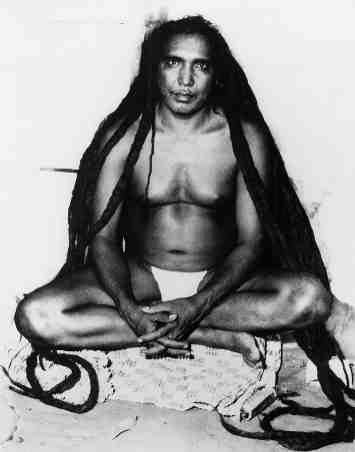
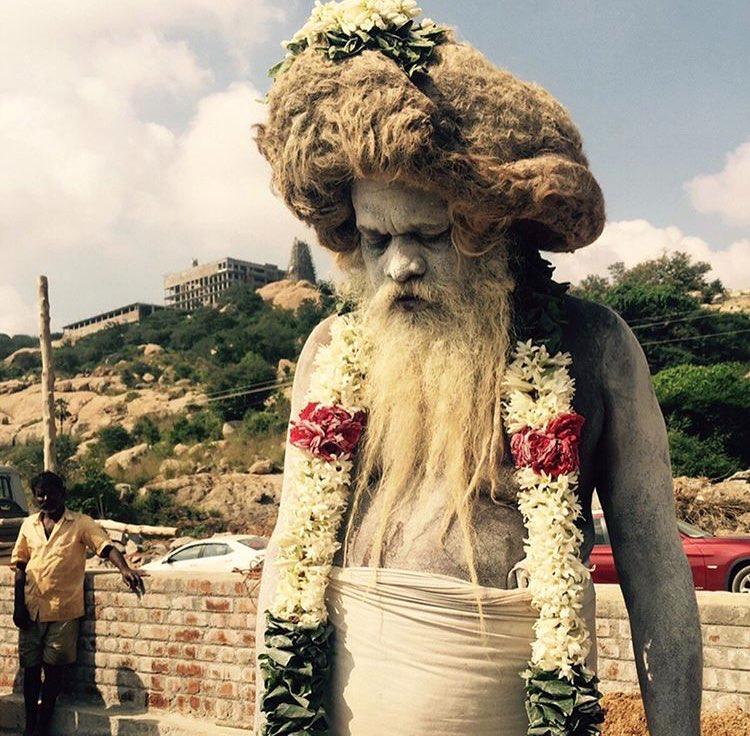
- Dylan personally met in India a yogi calledย Mahananda Siddha, who hasnโt eaten or drank anything in nearly two decadesย since Shiva came before him and gave him the gift to live 500 years.
-
-
He lays in fire every morning to receiveย Pranaย and theย Amritaย flows from his mouth to feed his body.
-
Mahananda Siddha is the 19th Siddha in India.
-
Dr. Robert Svoboda’s (guest onย ep. #062) Guru, Jatala Sadhu Ram Vishwambar Das, ย was believed to have lived for over 400 years.
-
Dr. Svoboda explained thatย Jatala Sadhuย didn’t eat any food other than Tobacco, and that he performed inner alchemy to turn that “poison” intoย Amritaย (nectar).
-
-
Another example of a woman saint who has attainedย siddhisย isย Sri Sri Sri Mahayogini Manikeshwariย Matha.
-
She doesn’t eat or drink and is believed to have attained theย astha-siddhisย (anima, mahima, garima, Laghima, Prapti, Prakamya, isatva and vasitva).
-
-
Related Article:ย Assimilating Rich Yogic Traditions Relevant For Today | Eddie Stern #053
RESOURCES
SUPPORT THE SHOW
Pleaseย leave me a comment belowย (I love to read every single one).
SUBSCRIBE
iTunes, Spotify,ย Sticher,ย Google Play