Ayurveda is has been dubbed “Indian medicine” or “traditional Indian medicine.
Ayurvedic medicine certainly has a pronounced presence throughout India and has so for the past millennia, but Ayurveda is not only Indian, it is universal.
But why does Ayurveda seem to be so active in India?
This is true and an interesting point.
Although Ayurveda has been in the past and has the potential today to express itself fully in any country in the world, Ayurvedic wisdom and practices are well rooted and expressed throughout India.
India and its culture exceptionally have and continue to uphold and nourish this precious knowledge, as well as act as a safe source for those who want to contact it.
Even throughout various invasions where Moguls and British have targeted Vaidyas (Ayurvedic physicians) in an attempt to delete the healing wisdom, we can be thankful that the body of knowledge was safely hidden from those with dire intentions & passed down in sacred lineages of teachers and students. Indian culture and traditions have therefore assured the safekeeping and cultivation of this ancient science.
In this podcast episode we will dive deep into why Ayurveda lasted and continues to flourish in India, compared to other countries. We also explore how at the primordial root and heart of Ayurveda we can find universal laws of nature that can be expressed through any country, culture, or tradition.
IN THIS EPISODE WE DISCUSS:
Ayurveda Appearing in Other Parts of the World
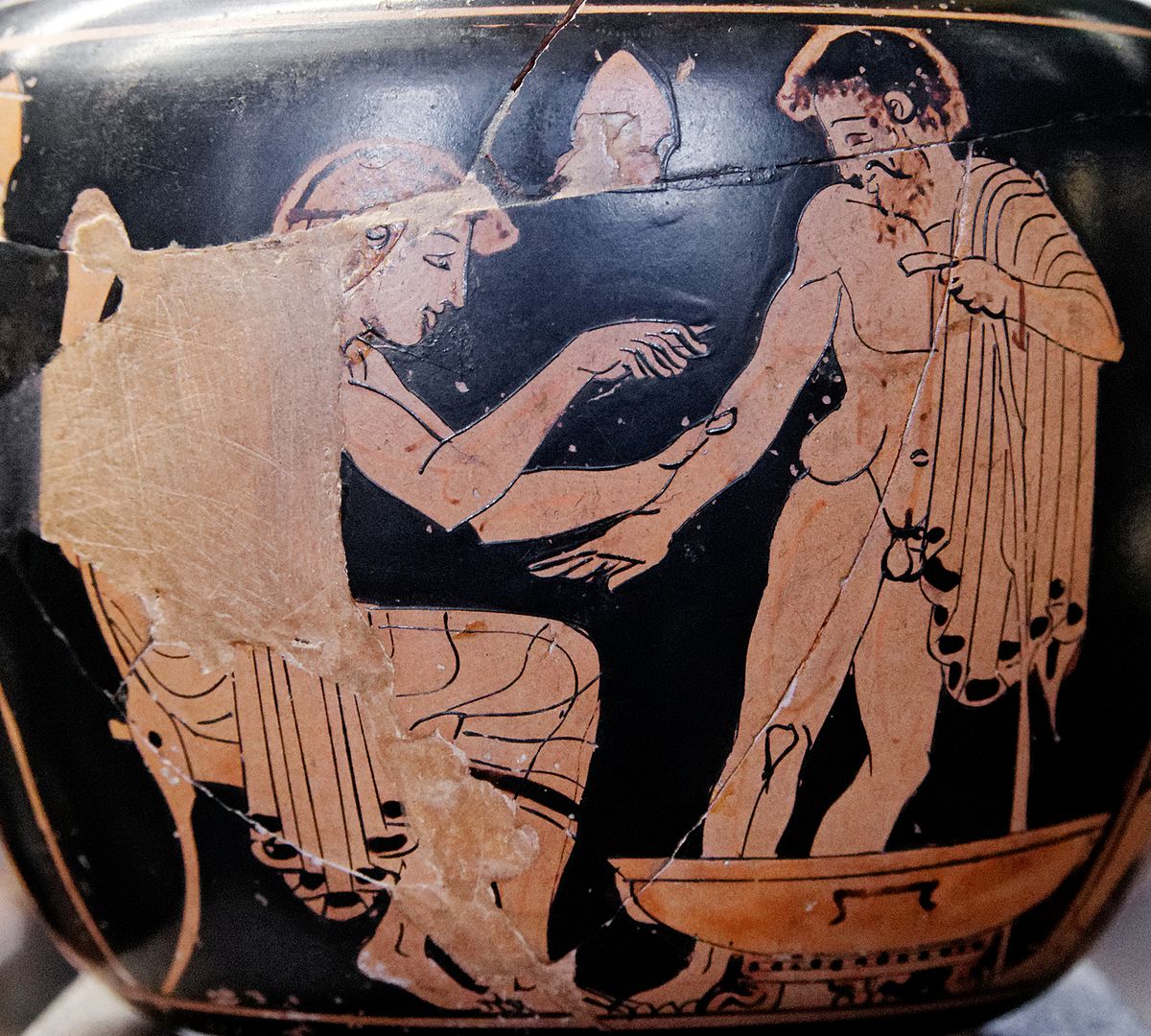
Ayurveda was strongly utilised in Greek medicine and the time of Hippocrates.
Buddhist and Jain religions utilised it.
Tibet, Persia and Mongolia.
Even through to modern science, where a few of Nobel Prizes in Medicine were awarded to modern scientists in the past 25 years for discoveries that are basically Ayurveda 101!
Ayurvedic principles permeate throughout ancient Greek medicine and the time of Hippocrates – which follows a similar model of the biological humours.
Indian culture became diversified and spread into different areas, particularly Southeast Asia and Indonesia. Ayurveda was adapted by different religions, like the Buddhist and Jain, who added their own insights to the system.
The Buddhists also followed Ayurveda, except for its surgical portion. The great sage and siddha Nagarjuna (c. 100 CE), who is probably the most important Buddhist teacher after the Buddha was also an Ayurvedic doctor. He wrote a commentary on Sushruta Samhita and developed many Ayurvedic alchemical preparations used to the present day.
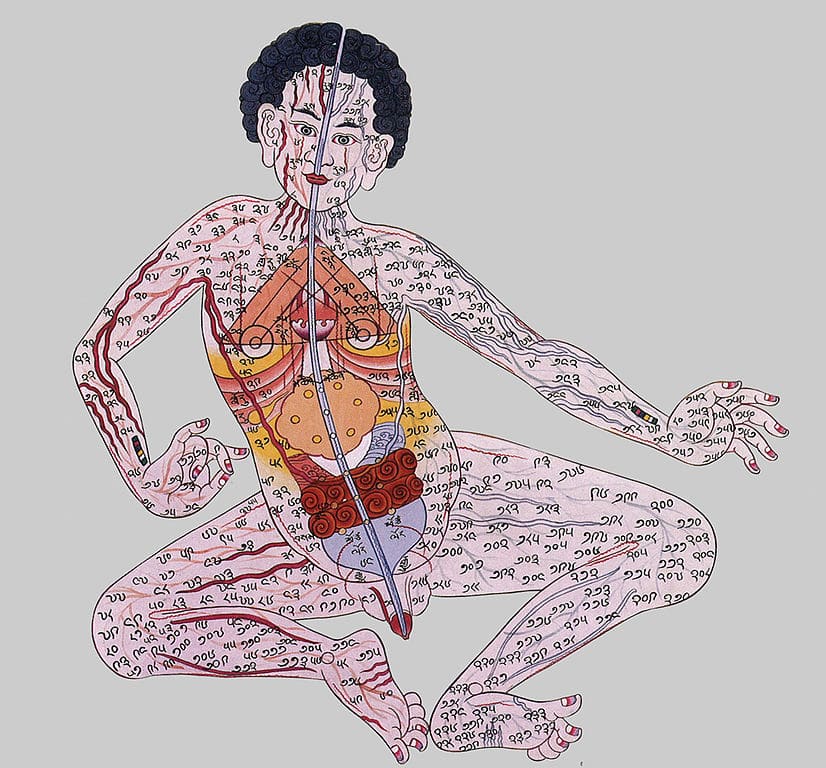
Tibetan Ayurveda developed after Buddhism manifested in Tibet in the 8th C.
Persian times of Ayurveda were a source of traditional Chinese medicine as well as corresponding with homeopathy.
Caraka Samhita Spreading Across the World
Caraka Samhita was so popular that it spread beyond religion, race and philosophical views:
Translated into Arabic at the beginning of 8th Century A.D.
As “Sharaka Indianus,” Carakas name appears in the Latin translations of Avicena (significant physician, astronomer, thinker and writers of the Islamic Golden Age), Razes (genius physician from Iran) and Serapion.
Translated from Sanskrit to Persian and from Persian into Arabic in (980 A.D.).
Used by the Barmakids (an Iranian influential family who were originally hereditary Buddhist leaders and subsequently came to great political power in Baghdad.
Alberuni’s (Iranian scholar and polymath– a person of wide knowledge) chief source of medicine was the Arabic edition of Caraka.
Translated into Tibetan language and subsequently into Mongolian and other related languages.
Why is Ayurveda so Strong in India?
1. The Cultural Alignment to Kala (Time) and Charyas (Routines):
Dincarya
RtuCharya
Pakshacharya
Jyotish Maintenance (through festivals and rituals).
2. Festivals and ritual
3.India is the land of the Ved.
4.The food and diet principles of Ayurveda are maintained in India (to some degree at least).
“Ayu” without the Ved is being taught today in many Ayurveda degrees in Indian universities.
It’s important to honor South Asia – as the Vedas are strong there: India, Burma, Nepal.